

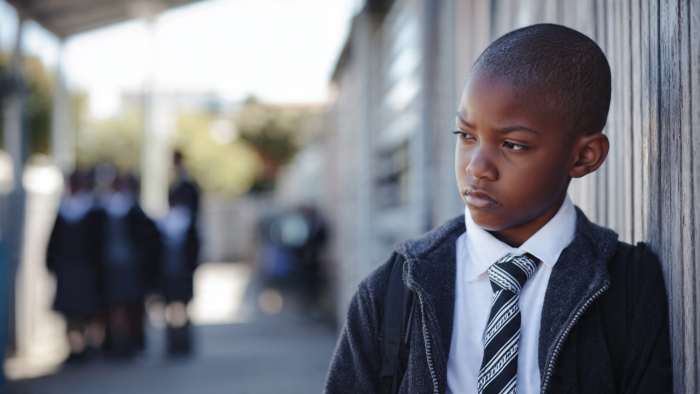
Bullying is one of those things many Nigerian parents hope their children will “grow out of.” For years, a child being bullied has been normalised as part of school life: “children will always fight,” “it will toughen them up,” “ignore them and move on.”
But research and lived experiences show that bullying is not harmless. It can leave long-term emotional scars, affect a child’s confidence, academic performance, and mental health, and in severe cases, lead to anxiety, depression, or withdrawal from school.
If your child is being bullied at school in Nigeria, here is what you can do practically, calmly, and effectively.
What Counts as Bullying?
Bullying is not just physical fighting. It can take different forms:
Physical bullying: hitting, pushing, kicking, taking belongings
Verbal bullying: name-calling, mocking, threats, insults
Social bullying: exclusion, spreading rumours, embarrassing a child publicly
Cyberbullying: harassment through WhatsApp groups, social media, or online platforms
If the behaviour is repeated, intentional, and involves a power imbalance (e.g., an older or stronger child, a group vs one child), it is bullying.
Signs Your Child Is Being Bullied
Many children do not report bullying immediately. Watch out for these warning signs:
Sudden refusal to go to school
Frequent unexplained injuries or torn uniforms
Missing personal items or money
Mood changes: withdrawal, sadness, anger, fear
Drop in academic performance.
Nightmares or sleep difficulties
Loss of appetite
Sudden silence about school
If you notice a pattern, do not dismiss it as “school stress.”
Step 1: Create A Safe Space for Your Child to Talk
Your child will only open up if they feel safe from judgment or blame.
Listen without interrupting
Avoid reacting with anger or panic.
Do not blame your child.
Thank them for telling you
Reassure them that bullying is not their fault.
Say things like:
“I’m glad you told me. You didn’t deserve this. We’ll handle it together.”
Step 2: Gather Clear Information
Ask calm, specific questions:
Who is involved?
What exactly happened?
Where does it most often happen (classroom, playground, bus, online)?
How long has this been happening?
Has the school been informed before?
Write down details. Dates, names, locations, and patterns matter when engaging the school.
Step 3: Teach Your Child Basic Safety And Response Skills
This does not mean telling them to fight back. It means helping them feel empowered.
Teach them to walk away confidently when possible
Encourage them to stay around friends or trusted adults
Practice assertive responses like:
“Stop. I don’t like that.”
Encourage them to report repeated bullying to a teacher or counsellor
Confidence reduces vulnerability, but safety is always the priority.
Step 4: Engage The School Properly
Schools in Nigeria vary widely in how seriously they take bullying. Still, escalation is important.
Request a meeting with the class teacher and school counsellor (if available)
Share specific incidents calmly and clearly
Ask about the school’s anti-bullying policy
Request documented steps for monitoring and protecting your child
Ask for follow-up timelines
If nothing changes, escalate to the head teacher, school owner, or school board.
Step 5: Document Everything
Keep records of:
Dates of incidents
Names of those involved
What actions the school promised
Follow-up outcomes
This protects you if the school later claims ignorance or inaction.
Step 6: Support Your Child Emotionally
Bullying can damage a child’s self-esteem. Support them beyond the school intervention:
Reassure them regularly
Spend extra quality time
Encourage activities they enjoy
Reinforce their strengths
Avoid making them feel “weak”
If your child shows signs of deep emotional distress, consider speaking to a child psychologist or counsellor where accessible.
Step 7: Know When To Consider Changing Schools
If bullying persists despite documented engagement with the school, your child’s emotional safety comes first.
Changing schools is not failure. It is protection.
Look out for schools with:
Clear child protection policies
Active supervision during breaks
Open communication with parents
Emotional safety values
What About Cyberbullying In Nigeria?
Many bullying cases now happen online via class WhatsApp groups or social media.
Monitor your child’s online activity
Teach them not to engage with online harassment
Save screenshots of abusive messages
Report cyberbullying to the school if classmates are involved
Block and report online abusers
According to UNICEF, cyberbullying can have similar psychological impacts as in-person bullying and should be taken seriously (UNICEF, Cyberbullying: What is it and how to stop it).
Also Read: 5 Signs To Know It’s Time To Change Your Child’s School
What Not To Do
Do not tell your child to “ignore it and be strong”
Do not confront the bully’s parents aggressively
Also, do not shame your child for being targeted
Do not encourage violence
Do not dismiss emotional pain
Bullying thrives when adults minimise it.
When To Seek Professional Help If Child Is Being Bullied
Consider professional support if your child:
Shows signs of depression or anxiety
Has drastic behavioural changes
Talks about self-harm
Refuses to attend school entirely
Child psychologists, counsellors, and trusted school therapists can help your child process the experience safely.
Final Word To Nigerian Parents
Your child does not need to be “hardened” by suffering.
They need to be protected, heard, and supported. Bullying is not discipline.
Enduring abuse is not character building. Emotional safety is not overprotection.
Your response as a parent can shape how your child learns to handle harm, set boundaries, and develop a sense of self-worth for life.
Get more parenting resources here.